
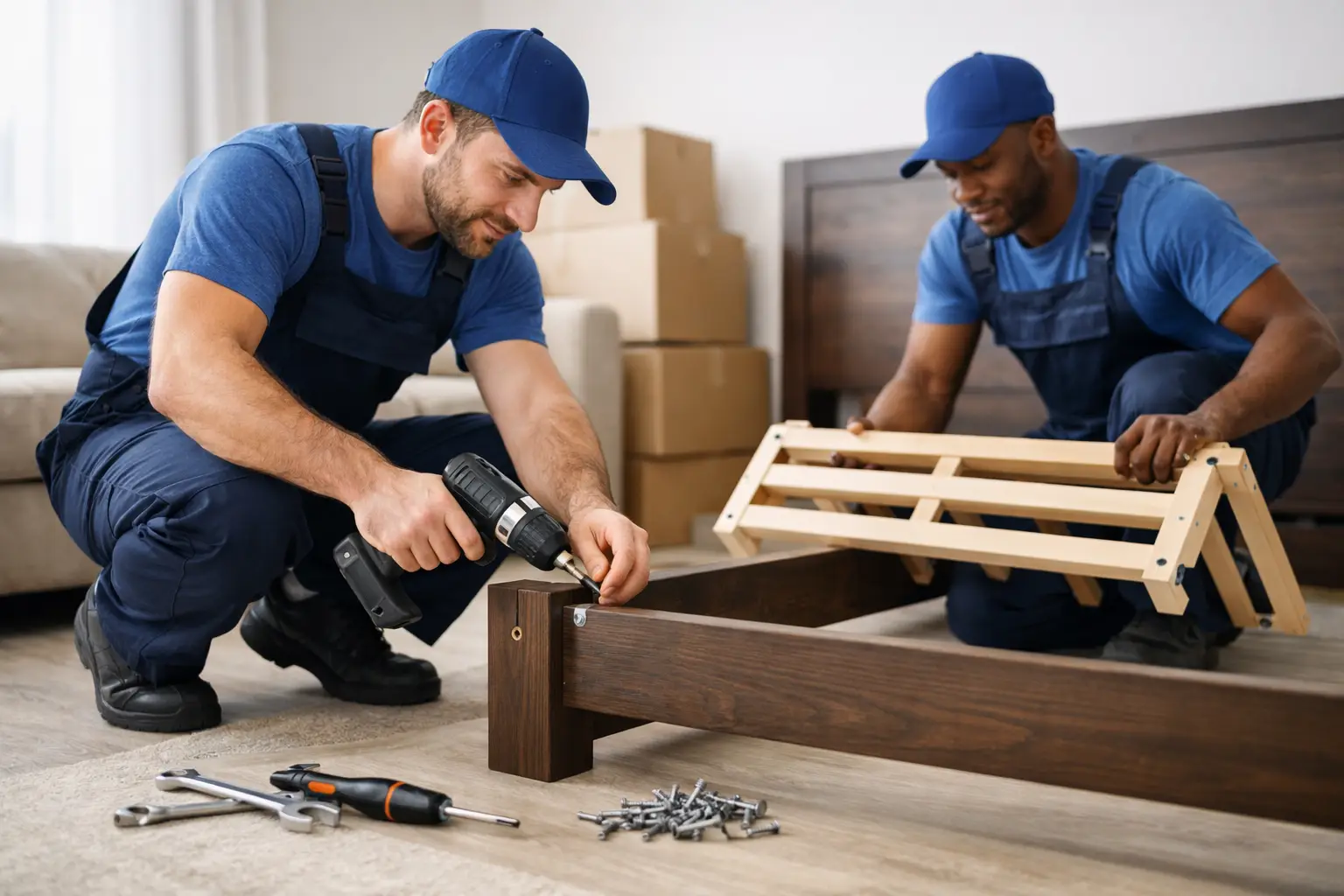
A wardrobe that will not clear the landing, a bed frame wedged against a tight stair turn, a desk too large for the office door – these are the moments that make people ask, can movers dismantle furniture safely? In many cases, yes. Professional removals teams dismantle and reassemble furniture regularly, but the safest approach depends on the item, its condition, the access at both properties and whether the right tools, protection and experience are in place.
Can movers dismantle furniture safely for every move?
Not every piece of furniture needs to come apart, and not every item should. A trained removals team will usually make that judgement during a survey or when discussing the move in advance. If a dining table can be carried securely with its legs on, it may be safer to leave it intact. If a large wardrobe is likely to twist under its own weight while being carried, dismantling it is often the better option.
The key point is that dismantling should reduce risk, not create more of it. Flat-pack furniture, modular office desks, bed frames and some wardrobes are commonly taken apart because they are designed to be assembled in sections. Older furniture, bespoke joinery and pieces that have already been repaired several times can be more delicate. In those cases, forcing a dismantle can damage joints, split timber or weaken fixings that were already under strain.
A dependable removals company will be honest about that difference. They should not promise to dismantle every item without question. Safe furniture handling starts with knowing when dismantling helps and when careful wrapping and carrying is the better route.
What safe dismantling actually looks like
Safe dismantling is not just a matter of turning up with a screwdriver. It starts with assessing the item itself – how it was built, where its load points are, whether panels are under tension and how likely it is to go back together properly once moved.
Professionals will usually work methodically. Removable shelves, drawers, rails and glass components are taken out first to reduce weight and prevent shifting in transit. Fixings are kept together so they are not lost between properties. Fragile surfaces should be protected as sections are separated, especially on veneered furniture, polished wood and upholstered bed heads.
There is also the question of access. A bed may fit through a bedroom door when dismantled halfway, while a corner sofa may need feet removed but not a full strip-down. Office furniture can be similar. Desks, meeting tables and shelving units often need partial dismantling to move without scraping walls or damaging door frames.
Experienced movers also think ahead to reassembly. That matters more than many people realise. If an item is taken apart in a rushed or disorganised way, rebuilding it at the other end can become slow, frustrating and less secure. Good removals teams keep each item’s parts together and handle the process in a way that supports a stable reassembly.
Which furniture is commonly dismantled?
The pieces most often dismantled are the ones that create access problems or become safer to carry in sections. Beds are the obvious example, particularly larger wooden frames, ottoman beds and divans with linked parts. Wardrobes are another, especially when they are tall, heavy or positioned in rooms with narrow exits.
Dining tables, desks, bookcases and nursery furniture are also common candidates. Sofas are less often dismantled fully, but legs, feet or detachable sections may be removed. In commercial moves, boardroom tables, bench desks, racking and storage units are frequently taken down to speed up handling and reduce the risk of impact damage.
Flat-pack items need a bit more caution. They can often be dismantled safely, but repeated assembly and dismantling can weaken chipboard, enlarge screw holes and reduce stability. If a wardrobe has already been moved twice and wobbles in daily use, taking it apart again may not be the best option. That is where practical advice from an experienced removals team becomes valuable.
When dismantling furniture is the safer choice
There are several situations where dismantling is not simply convenient, but sensible. The first is restricted access. Tight staircases, loft conversions, narrow hallways and small lifts can make it impossible to move larger items intact without a high chance of scuffs, snags or drops.
The second is weight distribution. Some furniture is awkward rather than especially heavy. A long desk or wide wardrobe can be difficult to balance and more likely to knock walls or twist while being carried. Breaking it into smaller sections gives the handling team better control.
The third is protecting the furniture itself. Items with glass panels, projecting legs, delicate veneers or unstable frames are often less vulnerable once stripped down into manageable parts and wrapped properly. That said, there is always a trade-off. Some furniture survives one careful dismantle better than several. If a piece is structurally tired, the safer choice may be specialist handling rather than disassembly.
What to ask before movers dismantle furniture safely
If you expect furniture to be taken apart, it helps to discuss that before moving day. Surprises on the day can lead to delays, and some items need more time than people expect. A simple conversation in advance can clarify what is included and what the movers recommend.
Ask whether dismantling and reassembly are part of the booked service or charged separately. Check which items the team is happy to handle and whether there are any exclusions, such as custom-built furniture, wall-mounted units or pieces with electrical components. It is also worth mentioning if an item has already been repaired, has missing fixings or feels unstable.
Photos can help enormously. A clear image of the furniture and the access route allows the removals team to plan tools, staffing and vehicle loading more accurately. If there are parking limits, awkward staircases or timing restrictions in a flat block or office building, say so early. Safe handling depends as much on planning as it does on lifting.
Insurance, liability and peace of mind
One of the main reasons people hire professional movers rather than asking friends for help is accountability. If dismantling is part of the agreed removals service, customers naturally want to know that the work is carried out carefully and backed by insurance.
That does not mean every item is risk-free. Furniture that is already damaged, poorly assembled or made from low-strength materials can present limits to what any mover can guarantee. The important thing is transparency. A professional company should explain concerns before work starts, rather than pressing on and hoping for the best.
This is also where experience matters. Teams that dismantle furniture regularly are better placed to spot weak joints, hidden brackets, awkward weight shifts and the little problems that tend to become expensive if they are missed. For customers, that translates into fewer delays, less stress and a much lower chance of arriving at the new property with avoidable damage.
Preparing furniture before moving day
There are a few sensible steps customers can take to help the process run smoothly. Empty wardrobes, desks and drawers unless advised otherwise. Remove personal items from bedside cabinets, shelving and display units. If you know where original instruction manuals are, keep them handy, although experienced teams can usually work without them.
It also helps to set aside any spare fixings, Allen keys or replacement parts you already have. If a piece of furniture has a known issue – one loose leg, a sticking drawer, a missing cam lock – mention it before the team starts handling it. Small details like these can make the difference between a straightforward dismantle and unnecessary strain on the item.
For families and businesses alike, clear communication makes the day easier. If there is one piece that absolutely must be reassembled first, such as a child’s bed or an office workstation needed immediately, say so. Good move planning is not only about getting items out of one building. It is about setting them up properly in the next one.
At Phoenix Rising Removals and Storage, this is exactly why practical preparation matters. Safe dismantling is part of a bigger process: careful handling, sensible loading, protected transport and an organised arrival.
The real answer depends on the furniture and the movers
So, can movers dismantle furniture safely? Yes, when the item is suitable, the access calls for it and the team has the tools, experience and plan to do it properly. The safer choice is not always the quickest one, and it is not always full dismantling either. Sometimes the best result comes from partial disassembly, careful wrapping and experienced lifting.
If you are planning a move, the most helpful step is to flag larger or awkward furniture early and ask for clear advice. The right removals team will not overcomplicate it, but they will take it seriously – and that usually makes the whole move feel much more manageable.