
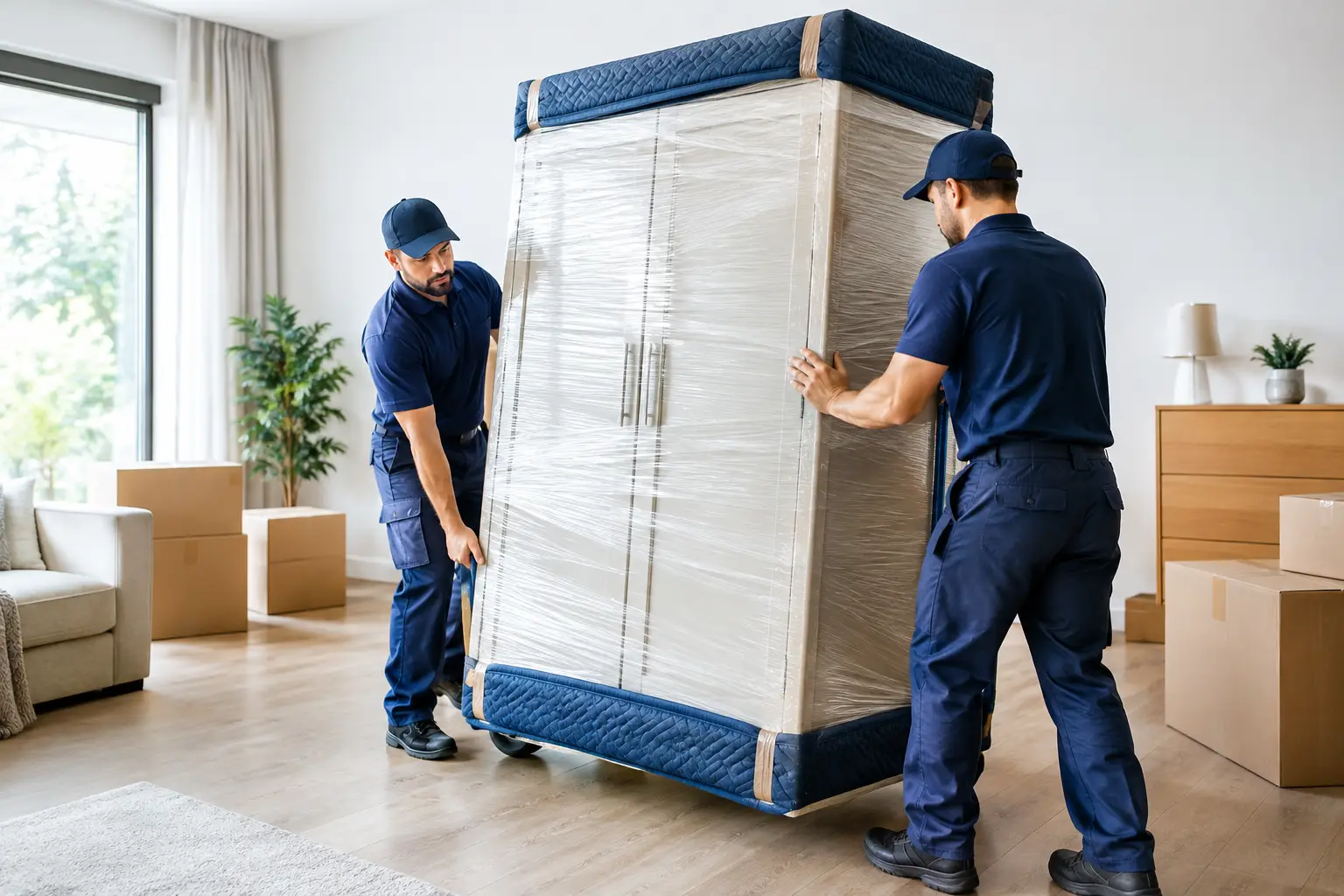
A wardrobe can be one of the most awkward items in a home move. It is tall, heavy, often full of clothes, and may contain mirrors, drawers or fittings that are easily damaged if handled poorly. The best wardrobe moving solutions depend on the size and condition of the furniture, the distance to travel, property access and whether you need it ready to use straight away at the new address.
For many households, the sensible approach is a combination of proper preparation, suitable packing materials and experienced lifting. This protects the wardrobe, reduces the risk of injury and prevents a difficult item from holding up moving day.
Best wardrobe moving solutions: choose by wardrobe type
There is no single method that suits every wardrobe. A modern flat-pack unit may need to be dismantled before it can safely leave a bedroom, while a solid wood wardrobe may be stronger and better moved as a complete piece. Before making a decision, measure the wardrobe and the route it must take, including doorways, stairs, landings, lifts and any tight corners.
A freestanding wardrobe that fits through all access points can often be moved intact. Its doors should be secured, drawers removed or taped shut where appropriate, and loose shelves taken out. Removing drawers can make a large unit noticeably lighter, but be careful not to rely on thin drawer bases for packing heavy items.
Large fitted wardrobes and many flat-pack designs are different. These are usually safer to dismantle, particularly if they are too wide for doorways or have been weakened by previous moves. Keep fixings in labelled bags and take photographs before disassembly. This makes reassembly more straightforward and avoids the frustration of unidentified screws at the end of a long day.
Antique, painted and high-value wardrobes deserve extra care. Older furniture can have delicate veneers, brittle joints or decorative details that do not respond well to pressure or repeated handling. In these cases, professional assessment and protective wrapping are generally the safer option.
Wardrobe cartons: the easiest solution for hanging clothes
Wardrobe cartons are tall, strong boxes with a hanging rail across the top. They allow clothes to be transferred directly from the wardrobe to the carton on their hangers. At the new property, garments can be hung up again without folding, bagging or ironing everything after the move.
They are especially useful for suits, dresses, coats, uniforms and occasion wear. They also keep clean clothes away from dust and avoid the creasing that comes from overfilled bin bags or standard cartons. For a family move, wardrobe cartons can save hours of packing and unpacking.
However, they are not designed for every item in the wardrobe. Shoes, handbags, folded clothes, bedding and loose accessories should go into appropriately sized boxes. Avoid filling wardrobe cartons with heavy items at the bottom, as this can make them unstable and difficult to lift safely.
If you are packing yourself, prepare cartons shortly before moving day where possible. This keeps essential clothing accessible until the last minute and stops you from opening packed cartons repeatedly during the final week.
When dismantling is the right choice
Dismantling is often the best solution when access is restricted or the wardrobe is too heavy to carry safely as one piece. It can also reduce the chance of damage to walls, bannisters and door frames. Yet dismantling has a trade-off: some furniture is not designed to be taken apart repeatedly, and chipboard fittings can loosen after reassembly.
Check the original instructions if you still have them. If not, photograph each stage, label components and place screws, dowels and brackets in separate sealed bags. Mark the bags clearly, then secure them to a larger panel or keep them in an essentials box that will not be loaded into storage by mistake.
Glass doors, mirrored panels and long shelves should be wrapped separately. Corners are particularly vulnerable, so use protective material around edges rather than relying on a single layer of cardboard. Never place heavy boxes on top of wardrobe panels in the lorry.
For fitted furniture, consider whether it is worth moving at all. A made-to-measure wardrobe may not suit the room dimensions of the new home. Removing it can also leave wall damage or exposed fixings to repair. A survey before moving day can help establish whether dismantling, disposal or leaving the unit in place is the most practical decision.
Protecting the wardrobe during transport
Once a wardrobe is ready to move, the protection around it matters as much as the lifting technique. Doors can swing open, drawers can slide out and polished surfaces can scratch against other furniture. Wrapping and securing the piece properly prevents many of the common problems seen during a move.
Use furniture blankets or padded covers to protect surfaces, then secure the covering without placing adhesive tape directly on wood, veneer or painted finishes. Tape can lift finishes or leave difficult residue. Stretch wrap can be useful around the protective blanket, but it should not be applied directly to delicate furniture for long periods, particularly in warm conditions.
Doors should be secured with soft straps or protective wrapping. Remove keys and keep them somewhere safe. If the wardrobe has adjustable feet, check that they are tightened or protected before loading. For taller units, professional movers will plan how the item is carried, loaded and restrained in the vehicle so it cannot shift in transit.
The loading order matters too. Wardrobes should travel upright where possible and be secured against movement. A purpose-built removals vehicle, with the right equipment and capacity, gives far better protection than trying to squeeze large furniture into a small van alongside unrestrained boxes.
Do not underestimate access and lifting risks
A wardrobe can cause injury long before it reaches the vehicle. Its shape makes it difficult to grip, and its weight is not always evenly distributed. Trying to manoeuvre it downstairs with too few people can lead to dropped furniture, damaged property or serious strain.
Clear the route before lifting. Remove rugs, shoes, picture frames and anything else that could create a trip hazard. Protect vulnerable flooring and measure difficult turns in advance. If doors need to come off their hinges temporarily, plan this before the furniture is already in the hallway.
Never drag a heavy wardrobe across carpet, wood flooring or tiles. This can damage both the floor and the base of the furniture. Do not attempt to lift a large wardrobe by its doors, handles, cornice or drawer fronts either. These parts are not intended to take the full load.
Professional help is particularly worthwhile for upper-floor properties, narrow staircases, heavy solid wood furniture and wardrobes with mirrors. An insured removals team brings the handling experience, lifting equipment and vehicle protection needed to manage these items with greater control.
Packing clothes and essentials around moving day
Moving a wardrobe is not only about the furniture itself. Think about what your household needs during the first night and the days immediately after arrival. Pack a small case or clearly labelled box with changes of clothes, nightwear, toiletries, medication and any work or school items needed straight away.
This is more useful than filling every wardrobe carton to the top. You may not have time or energy to unpack fully on moving day, particularly if keys are delayed or furniture needs assembling. Keeping essentials separate means the family can settle in without searching through boxes.
If your move includes a period of storage, ask how furniture and clothing will be protected. Wardrobes should be clean and dry before storage, and clothing should not be left in sealed plastic for extended periods where moisture could become a concern. Secure, dry storage and suitable packaging are vital for preserving belongings between properties.
A managed solution for complex moves
For a straightforward move, wardrobe cartons and careful preparation may be all that is required. For a larger home, a long-distance relocation or a property with difficult access, a full packing and removals service can take the pressure off. Phoenix Rising Removals and Storage can provide packing materials, professional packing, careful transport and secure storage where timing between homes does not line up.
The most effective wardrobe moving plan is the one that reflects your furniture, property and timescale. Measure early, avoid rushed lifting, protect delicate finishes and keep essential clothing close at hand. With the right preparation and reliable support, even the bulkiest wardrobe can arrive ready for its place in your new home.