
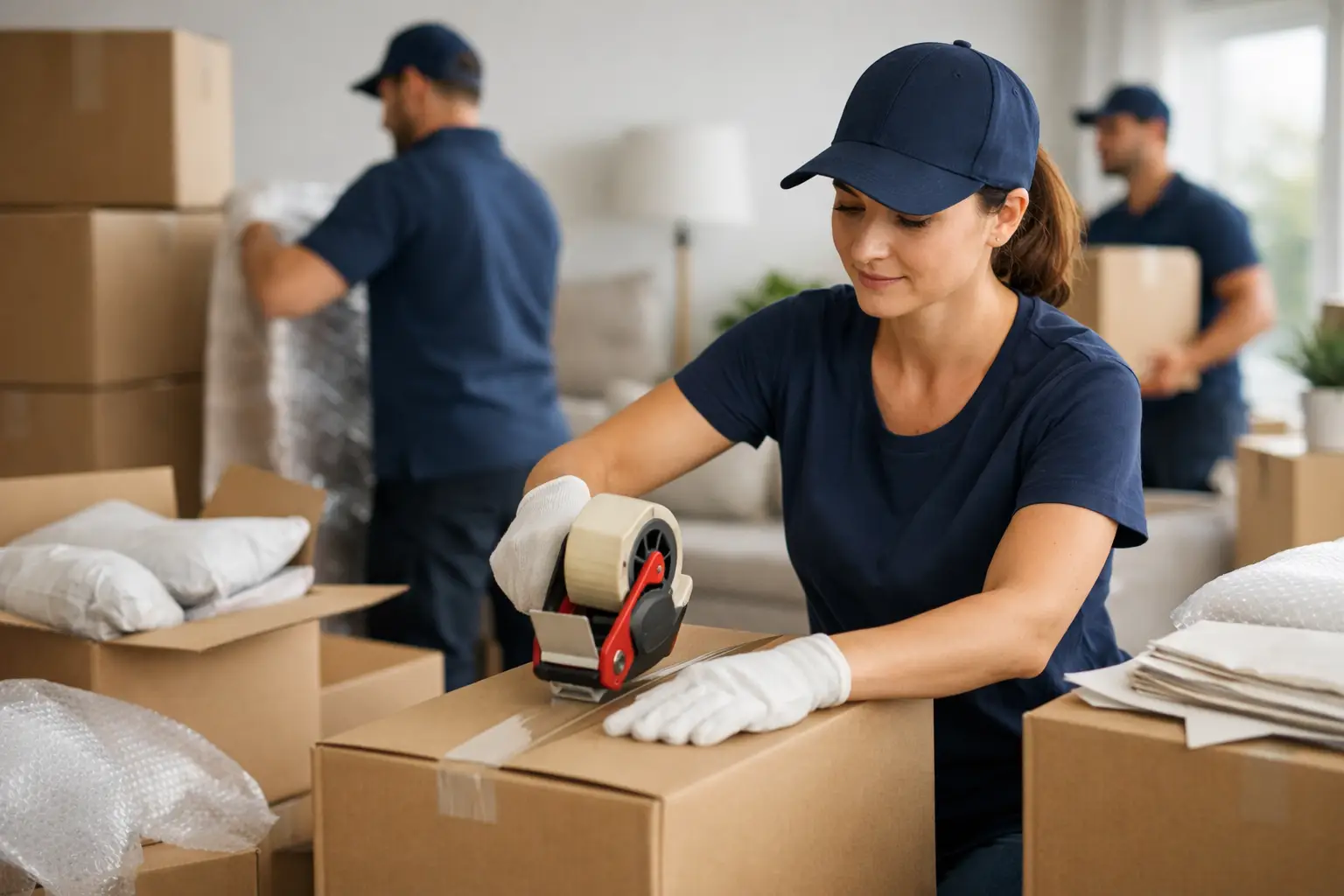
The difference between a manageable move and a chaotic one often comes down to what happens before the removal van arrives. Professional house packing is not just about putting belongings into boxes. It is about protecting what you own, keeping the move on schedule and reducing the risk of breakages, delays and last-minute stress.
For many households, packing starts with good intentions and then runs into reality. There are more cupboards than expected, more fragile items than remembered and less time than the calendar suggested. That is where an experienced packing service earns its value. It brings structure to the process, uses the right materials for different items and makes sure your belongings are ready to travel safely.
What professional house packing really involves
A proper packing service is planned, methodical and tailored to the property. It is not one-size-fits-all. A family house with loft contents, children’s rooms and a full kitchen needs a different approach from a one-bedroom flat or a downsizing move with selected furniture and valuable antiques.
Professional packers look at volume, access, fragility and timing. They know that crockery, artwork, books, electronics and clothing all need handling differently. They also understand how the packing stage affects everything that follows, from loading the vehicle to unloading at the new address.
The best results come from a system. Rooms are packed in a logical order. Boxes are labelled clearly. Fragile items are wrapped correctly rather than overstuffed into whatever carton happens to be nearby. Furniture is protected for transport, not merely covered at the last minute. That attention to detail matters because damage often happens through rushed preparation rather than the journey itself.
Why professional house packing can save more than time
Most people consider packing support because they are short on time, and that is a fair starting point. A full or partial packing service can save days of work. But time is only part of the benefit.
There is also the physical side. Lifting, bending, carrying and boxing up an entire home is tiring work, especially if you are balancing jobs, children, completion dates or long-distance travel. Professional packing reduces that strain and lowers the chance of injury from moving heavy or awkward items without the right technique.
Then there is the question of protection. Good packing materials and proper methods make a genuine difference. Double-walled boxes, specialist wrapping, protective covers and careful stacking are far more effective than a collection of reused supermarket cartons and a few rolls of tape. If you are moving valuable glassware, electronics, framed pictures or sentimental belongings, the cost of replacing damaged items can quickly exceed the cost of having them packed properly in the first place.
There is also peace of mind in knowing the move is being handled by insured professionals. That reassurance matters when the moving date is fixed and there is little room for error.
Full packing or partial packing?
Not every customer needs the same level of support. For some, full professional house packing is the right choice. This is often the best option for larger homes, busy families, older movers, long-distance relocations or anyone working to a tight completion window. In these cases, having the whole house packed by a trained team removes a major burden and helps the move stay organised from start to finish.
For others, a partial service makes more sense. You might pack clothes, books and everyday items yourself but ask for help with the kitchen, breakables, artwork, mirrors or other high-risk belongings. This can be a sensible middle ground if you want practical support without handing over every room.
It depends on your time, budget and the complexity of the move. A smaller move with straightforward contents may be manageable with limited assistance. A larger property with years of accumulated belongings is usually where professional input delivers the biggest benefit.
The materials matter more than most people expect
Packing is only as good as the materials used. One of the most common problems in DIY moves is the use of boxes that are the wrong size, too weak or unsuitable for the contents. Overfilled boxes split. Under-protected items shift in transit. Heavy objects packed into large cartons become difficult and unsafe to lift.
Experienced removals teams use materials with the journey in mind. Smaller cartons are used for heavier contents such as books. Specialist boxes can be used for hanging clothes or delicate kitchenware. Wrapping is selected to cushion items properly without creating unnecessary bulk. Furniture protection is fitted so surfaces are shielded while items are moved through doorways, into vehicles and out again at the new property.
This does not just improve safety. It makes loading more efficient and helps the crew use vehicle space properly. Well-packed boxes stack more securely, and that stability reduces movement during transport.
Where DIY packing tends to go wrong
Many people can pack a home themselves, but that does not mean it is always the best option. The difficulty usually lies in underestimating the amount of work involved.
A kitchen alone can take far longer than expected because it contains so many fragile and oddly shaped items. Loft spaces, garages and sheds create another challenge because they gather years of storage that nobody has sorted in advance. Then there are wardrobes, drawers and the awkward question of what to do with cables, remote controls, lampshades and everything else that does not fit neatly into a simple category.
Another issue is labelling. In a rushed self-pack, boxes often end up marked with vague descriptions such as “misc” or “bedroom”. That sounds harmless until unloading day, when you are searching through five boxes for kettle parts, charger cables or school uniforms.
There is also a tendency to save time in the wrong places. People use too little wrapping, mix heavy and fragile items together or leave the most difficult packing until the final evening. That is often when breakages happen and stress peaks.
How to prepare for a professional packing service
If you are booking a packing service, a little preparation helps the day run smoothly. The first job is deciding what is actually moving. There is no benefit in packing items you no longer want, so a basic clear-out beforehand can save both time and cost.
It also helps to set aside essentials that should not be packed with the main household contents. Important documents, medication, chargers, keys, children’s comfort items and overnight clothes are better kept separate. If you are moving with pets, their food, leads and bedding should stay easily accessible as well.
Clear communication matters. If anything needs special handling, mention it early. That includes antiques, artwork, unusually heavy furniture, sentimental items or anything with access issues. A reliable removals company will use that information to plan the right materials, crew and vehicle space.
If storage is part of the move, say so from the outset. Items going into storage may need a slightly different packing approach depending on how long they will be stored and how they will be accessed later.
Packing for moves with children, work commitments or storage
Some moves are simply more demanding than others. Families with young children often find professional packing especially useful because it keeps the disruption shorter and more controlled. Rather than trying to pack after bedtime for two weeks, you can have the bulk of the work completed efficiently and focus on the family side of the move.
For customers juggling work commitments, the benefit is similar. Time off can be reserved for the move itself rather than consumed by evenings spent wrapping plates and hunting for tape.
Storage adds another layer. If items are not going straight into the new property, they need to be packed to remain protected over time, not just survive a short trip in a van. That makes the quality of materials and labelling even more important. You want to know what is in storage, where it is and that it will come out in the same condition it went in.
Choosing the right removals company for professional house packing
Packing is a trust-based service. You are asking people to handle the contents of your home, often including your most valuable and personal possessions. That means experience, insurance and care standards should matter more than the cheapest quote.
Look for a company that treats packing as part of a wider moving service, not as an afterthought. The best teams understand how packing, loading, transport and unloading work together. They arrive with suitable materials, protect items properly and work in a way that supports the overall move plan.
It is also worth choosing a company with the operational capacity to match your move. A local house move and a long-distance relocation need different levels of planning, but both require reliability. Phoenix Rising Removals and Storage takes that practical, end-to-end approach, helping customers across southern England and beyond reduce stress with careful handling and organised support.
Professional house packing is not about taking control away from you. It is about giving you the right level of help at the stage of the move where things most often unravel. When your belongings are packed properly, the whole move feels calmer, safer and far easier to manage – and that is usually exactly what people need most.